Why Your Fragmented Digital Life Is Costing You More Than You Think
You spend an estimated 40% of your productive time just switching contexts between Slack, Gmail, GitHub, and a dozen other tabs. The real cost isn't just the minutes lost; it's the cognitive load that leaves you drained before the real work even begins.
This fragmentation creates invisible data silos. The project detail lives in Notion, the deadline is in a Google Calendar event, the payment link is in a Trello card, and the client's last-minute request is buried in a Telegram message. Opportunities slip through the cracks between these platforms. But there's a 2026 shift that changes everything, turning this chaos into your greatest asset-if you architect it correctly.
Think about it this way: AI is no longer just a feature inside your apps. According to industry analysis, 2026 marks "The Great Integration," where AI becomes the core operating system of work itself. Your current setup of disconnected tools is fighting against this fundamental shift.
The AI Orchestration Breakthrough: Your Central Command for Everything
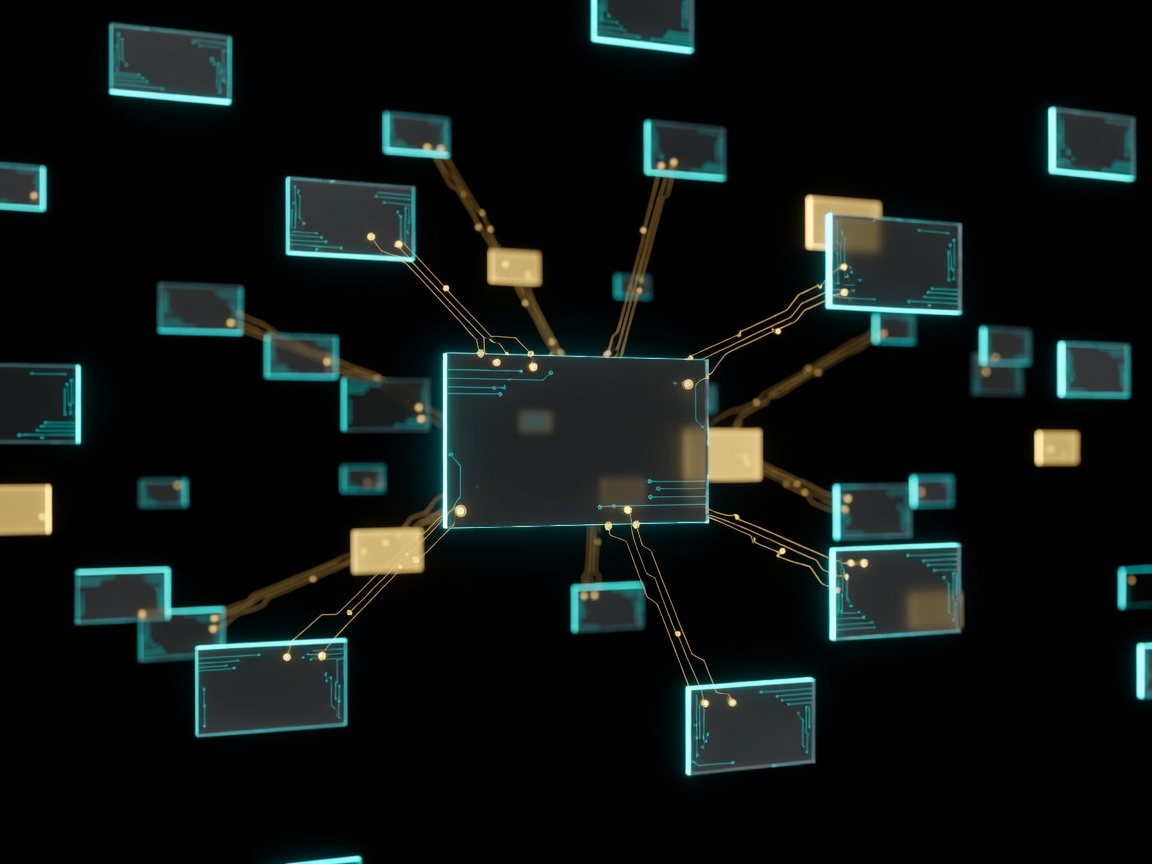
Here's where it gets interesting. The solution isn't another app to add to the pile. It's a control plane. Platforms are now emerging that act like Kubernetes for your digital life, orchestrating tasks across all your existing tools.
For instance, recent updates in 2026, like OpenClaw's Task Brain, introduce a centralized control plane specifically for managing AI tasks and security. Microsoft has also announced general availability for multi-agent orchestration within Copilot Studio. This isn't science fiction; it's the current state of play.
The breakthrough is connection, not replacement. You don't need to rewrite your workflows in Notion or abandon your team's GitHub process. An orchestration layer sits above them, allowing AI agents to work across your Gmail, Todoist, Trello, and Figma simultaneously. You set the rules, and the system handles the cross-platform execution.
Setting Up Your First Multi-Agent Workflow
Let me show you exactly how this starts. Your first workflow could be a notification synthesizer. Instead of checking five apps for priority alerts, an AI agent monitors them all, evaluates urgency based on your criteria, and delivers a single, ranked digest to you each hour.
This is the 1-2 punch: a single agent cuts your reactive checking by over half. The proof is in the regained focus. You move from being a human router to a strategic decision-maker.
Architecting Your Identity: One Profile, Wallet, and Reputation Across Realms
But orchestration is only half the picture. True unification requires a unified identity. Today, you have a professional LinkedIn face, a casual social media persona, and an anonymous forum handle. This splinters your network and your influence.
The next step is designing a single, adaptive profile. On a platform like DevGhouse, this means one identity that presents relevant professional skills in the marketplace, shows your gaming stats on a leaderboard, and manages guest lists for a personal event-all contextually appropriate.
Now for the part nobody talks about: the financial layer. A unified wallet becomes the glue. Imagine earning crypto from a freelance development job through the platform's escrow, then using those same funds to place a friendly bet on a chess match or contribute to a community event pool. The friction of moving money between "work" and "life" apps vanishes.
Your reputation becomes portable. A history of successful projects, timely deliveries, and positive community interactions builds a verifiable trust score. This score follows you, giving you a head start whether you're bidding on a new contract or joining a competitive gaming ladder.
From Chaos to Cohesion: A Step-by-Step Integration Blueprint
This might sound overwhelming, but the path is methodical. You don't boil the ocean. You follow a phased blueprint.
Week 1: The Core Audit and Connection. List your five most critical tools (e.g., Gmail, GitHub, your main project management app). Connect them to your orchestration platform. This alone creates a unified activity stream you can observe.
Week 2: Deploy Your First No-Code Agents. Start with automation that solves a clear pain point. Use a no-code builder to create an agent that files GitHub issues from specific email threads or syncs calendar events to a team task board. The best practices show starting small with repetitive tasks delivers immediate ROI.
Week 3: Launch Your First 'Realm' for Shared Access. This is the game-changer for teams. Create a shared space-a Realm-where your connected tools, calendar, tasks, and credits are visible to collaborators. It eliminates the "where is that?" and "who has access?" questions that stall projects.
Ongoing: Iterate with AI-Powered Insights. With everything connected, your unified activity stream becomes a goldmine. Use AI analytics to spot bottlenecks, predict delays, and recommend optimizations you couldn't see when the data was siloed.
Beyond Productivity: AI-Powered Community and Play
This is where the vision expands beyond work. The same architecture that powers professional integration transforms personal and community coordination. AI becomes a genuine participant within your human communities.
Planning a wedding or a community event? AI can now manage digital invitations, track RSVPs in five languages, and even suggest optimal seating charts based on guest profiles. The logistical headache is absorbed by the system.
Integrated social features like gaming-chess, backgammon, sport predictions-are not just distractions. They are engagement engines that build stronger, more resilient networks. Your professional contacts become your chess rivals, fostering a different kind of connection. The leaderboard is just another realm where your unified identity and reputation are on display.
The future is integrated. AI isn't just a tool you use; it's the connective tissue between every part of your digital life, from the boardroom to the game room.
The core takeaway in one sentence: Your competitive advantage in 2026 is a unified digital identity powered by AI orchestration, turning fragmented apps into a single, intelligent system for work and life.
Your next action in 10 minutes: Open your task manager and list your top three most frustrating context switches between apps-that's your starting point for Week 1.
Which tool do you think creates the biggest fragmentation bottleneck in your current flow? The tradeoffs between deep specialization and unified platforms are real. Drop your experience below.